Apple’s manual photo authentication is for the chosen few
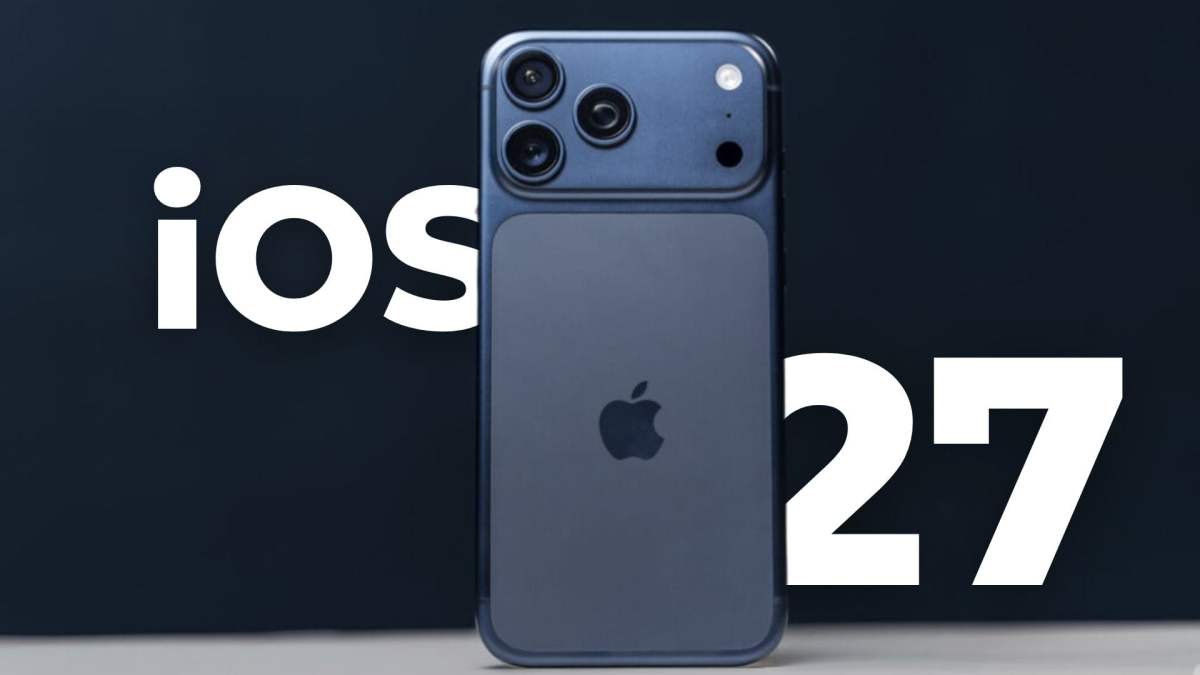
Apple is quietly arming a select group with a truth stamp. The iOS 27 beta 5 code, spotted by Frandroid citing 9to5Mac, reveals a two-pronged approach to AI-generated fakery. Image Playground creations will get richer metadata labeling. But the bigger surprise is a feature called Apple Reference Image: a manual authentication system for photos taken with an iPhone.
Apple would soon tackle the problem from both ends.
How it works
The mode lives in Settings, under Camera > Reference Image > Reference Mode. Once enabled, it’s not automatic. Users must invoke it per shot, or they can authenticate an image later. Each authenticated photo gets tied to hardware-specific data from the camera sensor, generating a unique identifier. That combination of sensor metadata and the user’s approval creates a verifiable chain.
Privacy gets its own treatment. Only minimal sensor data and photo metadata reach Apple, while the rest stays secure on the user’s device via Private Cloud Compute. Apple reserves the right to revoke past authentications if a sensor is compromised, a clever safety valve that preserves the system’s credibility over time.
For whom it’s meant
Don’t expect this to be a universal shield. The feature is disabled by default, hidden behind a dedicated mode that most users will never find. It’s clearly designed for photojournalists, forensic photographers, and anyone who must prove an image’s provenance in court or in the field. The average iPhone owner snapping a sunset won’t bother, and Apple seems fine with that.
The bigger picture
The industry is scrambling. Nvidia, Google, and Meta already attach labels to synthetic content from their own tools. Apple’s move is different: it doesn’t just tag AI slop; it vouches for the real thing. But a manual, opt-in system doesn’t solve the deepfake flood. It creates a narrow channel of trust for those who need it most.
The catch
This code appears only in a beta, and Apple regularly kills features between beta and release. With the final iOS 27 expected in September, there’s no guarantee Reference Image ships. Even if it does, the manual workflow suggests it’s a prototype for a niche, not a consumer revolution. That’s refreshingly honest, but it also means the rest of us are still on our own.